
Language
Views: 0 Author: Site Editor Publish Time: 2025-12-02 Origin: Site


The best way to safely work with magnets is to be very careful and follow expert rules. Huge neodymium magnets can hurt you if you do not handle them safely. Many people do not realize how risky these magnets are until someone gets hurt.
There was a case where a big neodymium magnet broke someone’s nose. Doctors had trouble fixing it because the magnet’s strong pull messed up their tools. This incident highlights why everyone must be cautious and respect the strength of magnets.
The world market for neodymium magnets is projected to reach $9.9 billion by 2032. As more companies utilize these magnets, it becomes increasingly important for individuals to learn how to safely work with magnets. TAIXIONG is dedicated to teaching safety and ensuring that people use magnets the right way every day.
Always wear thick gloves and safety goggles when you use neodymium magnets. This will help protect your hands from getting crushed and your eyes from flying pieces.
Keep neodymium magnets far from kids and pets. This helps stop serious injuries, like swallowing magnets or getting pinched.
Use tools and spacers that are not magnetic to pull magnets apart. This makes it safer and lowers the chance of sudden snaps and getting hurt.
Put magnets in a safe, dry spot. Keep them away from metal things and electronics. This helps stop accidents and keeps data safe.
Learn about the dangers of neodymium magnets. Teach others too. This helps everyone use them safely and lowers the chance of getting hurt.

Image Source: pexels
Neodymium magnets are very strong. They can pull things together quickly and with force. Many people do not know how risky these magnets are until someone gets hurt. Safety groups and scientists have found some main dangers:
Strong magnetic forces can hurt people, especially kids.
Some people have swallowed neodymium magnets and got badly hurt. Sometimes, doctors need to do surgery.
People at work have been injured when they did not use neodymium magnets safely.
Neodymium magnets can mess up electronics and erase data if they get too close. These magnets can break or shatter if they hit each other hard. Sharp pieces can fly out. Knowing about these dangers helps everyone stay safe with neodymium magnets.
People can get hurt in different ways when using neodymium magnets. Eye injuries can happen if a magnet breaks and pieces fly up. Crushing injuries happen when fingers or hands get stuck between magnets or metal. Pinching injuries can hurt nerves or blood vessels. Sharp edges or broken magnets can cause cuts. These injuries hurt a lot and sometimes need a doctor.
Many accidents happen because people do not know how strong neodymium magnets are. Some common reasons are:
Fingers or hands get crushed when big magnets snap together.
Magnets can break when they hit each other and shatter.
Phones or credit cards can get ruined if magnets get too close.
Note: Neodymium magnets can hurt you very fast. Always learn about the dangers before you use them.
People need to respect how strong neodymium magnets are and follow safety rules. Knowing the risks helps stop bad injuries and keeps everyone safe.
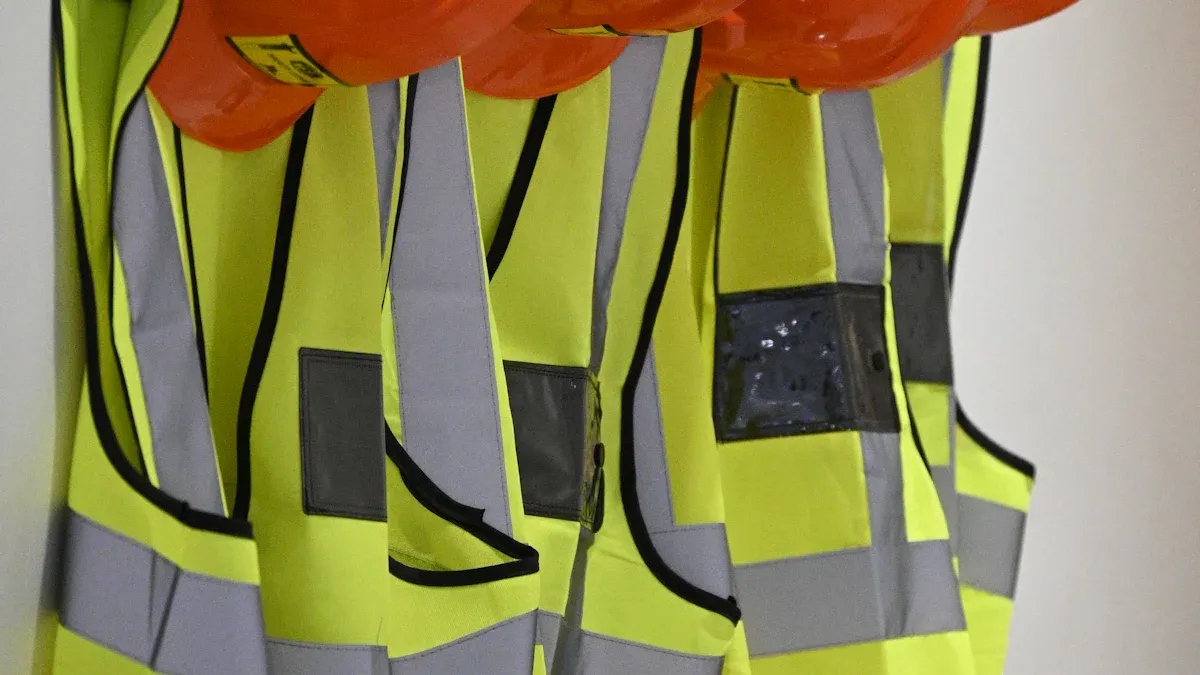
Image Source: unsplash
People working with big neodymium magnets need special safety gear. These magnets can hurt you if you do not use care. Some important safety steps are:
Strong safety gloves protect hands from getting crushed or pinched. Regular gloves do not work well enough. Gloves should be tough and stop sudden squeezing.
Workers must wear eye protection. Safety goggles or face shields keep eyes safe from flying pieces. These goggles should meet safety rules for work.
Protective clothes cover arms and legs. This helps stop cuts or scrapes. Do not wear loose clothes or jewelry, because magnets can grab them fast.
Take out all metal things from pockets before working. Metal can fly toward magnets and become dangerous.
Tip: Always check gloves and goggles before you start. Replace anything that is broken right away.
A safe workspace helps stop accidents with neodymium magnets. Workers should set up the area before starting. These safety steps make the workspace safer:
Keep metal tools and objects away from the workspace. Only use tools that are not magnetic when working with magnets.
Make a special area for working. Put up signs to warn people about strong magnets. People with pacemakers or implants must stay 300 millimeters away from magnets.
Store magnets in a dry and steady place. Keep them away from fire and people who should not touch them.
Use a gaussmeter to check how strong the magnetic field is if you are not sure.
Teach everyone about magnet dangers before they work near magnets.
The table below shows injuries and how to stop them:
| Injury Type | Prevention Measures |
|---|---|
| Pinching Injuries | Wear strong gloves to lower risk and help grip. |
| Crushing Injuries | Use tools that are not metal and keep magnets apart. |
| Projectile Hazards | Keep workspace clear of metal and pay attention. |
TAIXIONG is a leader in safety and handling. The company checks quality and has patents for safer magnet tools. Every product meets safety rules like RoHS, CE, and ISO. TAIXIONG tests each magnet for strength and safety before sending it out.
Moving magnets slowly and carefully is very important. Workers should not rush when bringing magnets close to each other or metal. Fast moves can make magnets snap together and cause injuries.
Always use both hands to hold big magnets.
Hold magnets tight and move one at a time.
Never let two magnets get close without something between them.
Keep a safe zone of 300 millimeters around each magnet, especially near people with medical devices.
Use shields like steel plates to protect electronics and medical devices from strong magnets.
Note: Training helps people learn the risks and the right way to handle magnets. Safety habits mean fewer accidents and better results.
If workers follow these safety steps, they can lower the chance of getting hurt or breaking things. TAIXIONG keeps making new ways to help people work safely with neodymium magnets.
People need to use non-magnetic tools with neodymium magnets. These tools help stop accidents and make things safer. Workers can pick tools made from aluminum or 316 stainless steel. These do not stick to magnets. Plastic wedges or wooden spacers are good for pulling magnets apart. Surfaces and storage spots should use materials that are not magnetic. This helps stop magnets from snapping to metal things.
Always use non-magnetic tools for any changes.
Pick aluminum or 316 stainless steel for storage and work areas.
Put plastic or wooden spacers between magnets.
Do not use carbon steel or magnetic stainless steel tools.
Tip: Non-magnetic tools help stop sudden moves and injuries with neodymium magnets.
TAIXIONG tells everyone to follow these safety tips. The company checks and certifies its products for safety. Workers can trust TAIXIONG’s advice for safe magnet handling.
Taking big magnets apart needs careful steps. TAIXIONG gives a clear way to lower injury risk. Workers must wear gloves and eye protection before they start. Two people should work together with large magnets.
Put the magnets on a table edge with one hanging off.
Use a pry bar or lever to push the hanging magnet down.
Put a wooden or plastic wedge between the magnets as space opens.
Slide the wedge in more to make the pull weaker.
Use a magnetic separator if you have one to make it easier.
If magnets are still stuck, heat them a little to make them weaker. Do not go over 80°C or you might break the magnets.
Note: Never twist or pry magnets apart with force. This can break them and send sharp pieces flying.
TAIXIONG’s special tools and checked equipment make these steps safer. The company has RoHS, CE, and ISO certificates. These show TAIXIONG cares about safety and quality with neodymium magnets.
Storing and moving neodymium magnets the right way keeps them safe. TAIXIONG gives clear rules for storing and moving big magnets.
Store magnets in pairs or with steel between them. This stops sudden pulls and damage.
Keep magnets in a cool, dry place. Do not let them get hotter than 80°C or in sunlight.
Use plastic or wooden boxes to keep magnets safe from drops.
Put steel sheets around magnets to block their magnetic field.
Keep the air dry to stop rust and corrosion.
Teach all workers the rules for storage and handling.
Label storage spots and only let trained workers in.
Wear gloves and eye protection when opening magnet boxes.
| Requirement | Description |
|---|---|
| End-user and end-use declaration | A paper that says who will use the magnets and how. |
| Final use certificate | A paper that proves what the magnets will be used for. |
| Company credentials and import license | Proof that the company can import magnets. |
| Legal notarization | Some places need papers checked by a lawyer. |
| Proof of civilian use | Proof that magnets are not for military use. |
TAIXIONG helps customers with storage and moving advice. The company’s experts help businesses follow all safety and legal rules for neodymium magnets. This help keeps people and equipment safe every step of the way.
Neodymium magnets make strong magnetic fields. These fields can mess up medical devices. People with pacemakers or defibrillators should stay far away from big magnets. Even small neodymium magnets can stop a pacemaker or change its mode. Swiss scientists found magnets messed up every heart device tested within 3 centimeters. This can cause serious health problems. If someone is near magnets for a long time, their pacemaker might read signals wrong or get damaged. Hearing aids and other medical electronics can also stop working near these magnets. Always keep neodymium magnets away from anyone with medical implants.
Neodymium magnets are not safe for kids or pets. Big magnets can hurt children and animals. If a child swallows more than one magnet, they can stick together inside the body. This can cause bad injuries and may need surgery. Pets can get hurt if they eat magnets or get stuck between them. The table below shows safety rules for families:
| Safety Guideline | Description |
|---|---|
| Avoiding Pinching | Watch fingers or paws near big magnets. |
| Children and Pets | Keep all neodymium magnets away from kids and pets. |
| Magnetic Media | Store magnets away from electronics and data devices. |
| Magnets are Brittle | Handle gently to stop breaking or chipping. |
Adults should always watch kids when magnets are around. Put magnets in locked boxes and check toys for loose magnets. Clean up magnets after using them and look for any dropped on the floor.
Neodymium magnets can erase or break data on computers and other devices. To keep data safe, keep magnets at least six inches away from electronics. Store big magnets in boxes that are not metal when not using them. Do not bring magnets close to credit cards or USB drives. Use shields if you must work near electronics. Check and set magnetic sensors in devices often to lower problems. These steps help keep your information safe and your devices working.
Tip: Always look for electronics before using neodymium magnets. Move devices away to keep them safe from harm.
Pinching injuries can happen when using big neodymium magnets. These injuries may cause blisters, swelling, or pain. Acting fast helps stop more harm. Here are steps for treating pinching injuries:
Do not touch or pop any blister that forms.
Cover the blister and let it dry for a few days or weeks.
Call a doctor if the blister needs draining.
Watch for infection signs like redness, warmth, or pus. Get medical help if you see these.
If a magnet breaks and sharp pieces cut you, wash the area with water. Put a clean bandage on the cut. Wear gloves to keep your hands safe during first aid. Safety is important in every emergency step.
Some injuries from neodymium magnets need a doctor’s care. Workers should know when to get help. These symptoms mean you should see a doctor or call for help:
Signs of infection like fever or spreading redness.
Broken bones from strong crushing force.
Swallowed magnets, especially more than one.
If a bad accident happens, follow emergency steps:
Put on safety gear before touching broken magnets.
Use tools that are not metal to pick up pieces.
Put pieces in a marked container.
Throw away magnets by local hazardous waste rules.
Check what caused the accident to stop it from happening again.
Neodymium magnets must be handled with care always. Workers should know first aid and when to get help. Fast action and good care keep people healthy and safe at work.
Getting ready and knowing the risks is the first step to safe handling of huge neodymium magnets. Here are some important safety tips:
Always wear goggles and strong gloves.
Keep magnets far from kids and away from medical devices.
Store magnets in a safe place so accidents do not happen.
Do not drill or try to change magnets with machines.
TAIXIONG gives helpful guides for safe magnet use:
| Resource | Description |
|---|---|
| Complete Guide to Large Magnets | Explains magnet facts and main safety rules |
| Magnet Store Guide | Gives tips for safe use and storage |
Read the safety rules every time before you use magnets. Ask TAIXIONG for help if you need expert advice.
Neodymium magnets are very strong. They can snap together fast. Fingers can get trapped or things can break. You must be careful when using them to stay safe.
Store big magnets in strong boxes with spacers. Keep magnets away from metal and electronics. Do not let kids near magnets. TAIXIONG says to label storage spots for safety.
Yes, these magnets can erase data or break electronics. Keep magnets at least six inches from computers and phones. Do not put magnets near credit cards.
People with pacemakers or medical implants must stay away from neodymium magnets. Kids and pets should not touch these magnets.
| Source | Contact Method |
|---|---|
| TAIXIONG | Official Website |
TAIXIONG gives help and safety tips to everyone who uses magnets.


