
Language
Views: 0 Author: Site Editor Publish Time: 2026-04-01 Origin: Site


Have you ever wondered what makes neodymium magnets so powerful? These remarkable magnets are essential in countless modern applications, from electronics to healthcare. In this article, we will explore the advantages of neodymium magnets, the challenges they face, and potential alternatives that could reshape the magnetic materials market.
Neodymium magnets, made from a combination of neodymium, iron, and boron, offer significant cost advantages. While neodymium is classified as a rare earth element, its reserves are relatively abundant compared to other rare earth materials. The primary components, particularly iron, are inexpensive and widely available. This combination leads to lower raw material costs for neodymium magnets compared to alternatives like samarium cobalt magnets, which offer similar performance but at a higher price point. Additionally, the production efficiency of neodymium magnets further reduces overall costs, making them a cost-effective choice for various applications.
Neodymium magnets are the strongest permanent magnets available today. Their magnetic energy product typically ranges from 200 to 440 kJ/m³, which is significantly higher than other types of magnets, such as ferrite and aluminum-nickel-cobalt magnets. This strength allows neodymium magnets to lift objects weighing up to 640 times their own weight. Their performance remains stable even in high-temperature environments, with some grades capable of functioning effectively at temperatures up to 220°C. This exceptional magnetic strength and stability make neodymium magnets ideal for demanding applications across various industries.
Neodymium magnets are highly versatile and can be manufactured into a wide range of shapes and sizes. This adaptability is crucial in meeting the specific requirements of different applications. They can be easily machined using various methods, including cutting and drilling, which allows for precise customization. Modern machining techniques ensure that neodymium magnets can meet high precision standards, making them suitable for high-tech applications. Whether for simple or complex shapes, neodymium magnets can be tailored to fit the needs of industries like automotive, electronics, and healthcare.
One of the significant challenges in replacing neodymium magnets is their susceptibility to corrosion. Neodymium magnets, primarily composed of neodymium, iron, and boron, are prone to oxidation when exposed to moisture and oxygen. This chemical reactivity can lead to intergranular corrosion, which deteriorates the magnet's structure over time, resulting in a loss of magnetic performance. The porous nature of sintered neodymium magnets accelerates this corrosion process. To combat this, most commercial neodymium magnets require protective coatings, such as nickel or epoxy. However, if these coatings are damaged, the underlying magnet can corrode, further complicating their use in harsh environments.
Another significant hurdle is the temperature stability of neodymium magnets. While they perform well under normal conditions, their Curie temperature — the point at which they lose their magnetic properties — ranges from approximately 310°C to 400°C. This is considerably lower than that of alternatives like aluminum-nickel-cobalt (700-850°C) and samarium-cobalt magnets (700-800°C). As temperatures rise, neodymium magnets can experience a significant drop in coercivity, which is their ability to resist demagnetization. Standard grades of neodymium magnets are typically limited to working temperatures around 80°C, and exceeding this can lead to irreversible demagnetization. To enhance thermal stability, manufacturers often add heavy rare earth elements like dysprosium and terbium, which increases costs and complicates supply chains.
The reliance on rare earth elements is a critical issue when considering alternatives to neodymium magnets. Neodymium is classified as a rare earth element, and its extraction and processing are often environmentally damaging and resource-intensive. China currently dominates the supply of these materials, leading to concerns about supply chain vulnerabilities and geopolitical risks. As the demand for neodymium magnets continues to grow, the pressure on these resources increases, raising prices and making industries more susceptible to fluctuations in availability. This dependence on rare earth elements creates a strong motivation for researchers and manufacturers to explore alternative magnetic materials that do not rely on these scarce resources.

As industries seek to diversify their material sources and mitigate supply chain risks, the exploration of alternatives to neodymium magnets has gained momentum. While neodymium magnets (NdFeB) are renowned for their exceptional strength and versatility, other magnetic materials are being studied for their potential to either supplement or replace them in specific applications.
Samarium iron nitride (SmFeN) magnets represent a promising alternative. This fourth-generation rare-earth magnet is synthesized from samarium, iron, and nitrogen. The core component, Sm₂Fe₁₇Nₓ, undergoes nitriding to enhance its magnetic properties. SmFeN magnets boast high coercivity and saturation magnetization, along with improved oxidation and corrosion resistance compared to neodymium magnets. While they face challenges in terms of industrialization and cost control, their performance advantages make them a key area of research for future permanent magnetic materials.
Manganese-based alloys, such as MnAl and MnBi, also present viable alternatives. These alloys leverage the solid solution strengthening and work hardening characteristics of manganese, making them suitable for various applications. Manganese-based magnets are being explored for use in mechanical manufacturing, new energy technologies, and military applications. Their ability to combine with other metals enhances their magnetic properties, potentially offering a cost-effective solution without the environmental impact associated with rare earth elements.
Iron nitride (α″-FeN) magnets are another innovative option. Composed primarily of iron and nitrogen, these magnets have a theoretical magnetic energy product that could exceed that of traditional rare-earth magnets. Their low raw material costs and abundant resources make them an attractive choice. However, challenges remain in terms of production processes and stability. As the technology matures, iron nitride magnets may emerge as a strong contender in the market.
| Alternative Magnet Type | Key Components | Advantages | Challenges |
|---|---|---|---|
| Samarium Iron Nitride | Samarium, Iron, Nitrogen | High coercivity, corrosion resistance | Cost control, industrialization |
| Manganese-Based Alloys | Manganese and other metals | Cost-effective, versatile | Performance optimization needed |
| Iron Nitride | Iron, Nitrogen | Low cost, abundant materials | Production complexity, stability issues |
The exploration of these alternatives is driven by the need for materials that can withstand specific environmental conditions, offer cost advantages, and reduce dependence on rare earth elements. While neodymium magnets will likely remain the dominant choice for high-performance applications, these alternatives could play a significant role in specific sectors, especially as technology and manufacturing processes evolve.
Ferrite magnets, also known as ceramic magnets, are among the most widely used magnetic materials. They are made primarily from iron oxide combined with metals such as barium or strontium. Their biggest advantage is affordability, which makes them a practical choice for many general-purpose products.
Main strengths of ferrite magnets:
Low production cost
Good corrosion resistance
Strong suitability for mass-market products
Stable performance in many everyday environments
Good temperature resistance, often up to 250°C
Ferrite magnets are especially useful when strong magnetic force is not the main priority. They are often chosen for products where budget, durability, and large-volume manufacturing matter more than compact power.
Common applications include:
Refrigerator magnets
Speakers
Toys
Simple motors
Low-cost magnetic assemblies
However, ferrite magnets also have clear limitations. Their magnetic strength is much lower than that of neodymium magnets, typically ranging from 0.2 to 0.4 Tesla. Because of this, they are less effective in applications that require a strong magnetic field within a small space.
Main weaknesses of ferrite magnets:
Lower magnetic strength
Larger size needed for similar holding force
Less suitable for compact high-performance products
Limited use in advanced precision applications
Alnico magnets are made from aluminum, nickel, cobalt, and iron. They are widely recognized for their excellent temperature stability and long-term magnetic reliability. In high-heat environments, they often perform better than many other magnetic materials.
Key advantages of alnico magnets:
Excellent temperature resistance
Can operate effectively at temperatures up to 550°C
Strong long-term magnetic stability
Good resistance to demagnetization
Reliable performance in precision devices
Because of these properties, alnico magnets are commonly used in demanding environments where heat resistance matters more than maximum magnetic force.
Typical applications include:
Aerospace sensors
Electric motors
Compasses
Measuring instruments
Precision meters
Despite these strengths, alnico magnets are not always the best choice for compact, high-force uses. Their magnetic strength is moderate, typically ranging from 0.7 to 1.0 Tesla. They are also more expensive than ferrite magnets, which reduces their appeal in cost-sensitive projects.
Limitations of alnico magnets:
Higher cost than ferrite magnets
Moderate magnetic strength
Less suitable when very high holding force is required
Not ideal for highly compact magnetic designs
Samarium cobalt magnets are made from samarium and cobalt. They are known for combining strong magnetic performance with excellent temperature stability and corrosion resistance. This makes them a strong option for severe operating conditions.
Main strengths of samarium cobalt magnets:
High magnetic strength
Excellent temperature stability
Can operate at temperatures up to 300°C
Strong corrosion resistance
Suitable for demanding technical environments
Compared with neodymium magnets, samarium cobalt magnets offer a major benefit in corrosive or high-temperature settings. They usually do not require the same level of protective coating, which can simplify their use in certain applications.
Common applications include:
Aerospace systems
Military equipment
High-temperature motors
Precision industrial equipment
Corrosion-sensitive environments
Their magnetic strength typically ranges from 0.9 to 1.1 Tesla, making them a high-performance alternative when reliability matters more than cost. Still, they are not without drawbacks.
Main limitations of samarium cobalt magnets:
Higher cost than ferrite and alnico magnets
Brittle material structure
More difficult handling and machining
Less suitable for cost-sensitive applications
Neodymium magnets play a crucial role in various industrial applications due to their exceptional strength and compact size. These magnets are commonly used in electric motors, generators, and sensors, where high magnetic force is essential. For instance, in electric vehicles, neodymium magnets enhance the efficiency of motors, enabling better performance and energy savings. Additionally, they are vital in conveyor systems for sorting and lifting materials, helping streamline manufacturing processes.
In factories, safety is paramount when handling these powerful magnets. Workers are trained to use protective gear, such as gloves and safety glasses, to prevent injuries. Proper storage is also essential; magnets are kept in dry environments to avoid corrosion and damage. Furthermore, industries adhere to strict regulations regarding the disposal and recycling of neodymium magnets to minimize environmental impact.
In the consumer electronics sector, neodymium magnets are indispensable. They are found in a wide range of devices, including smartphones, headphones, and speakers. Their strong magnetic properties allow for smaller, lighter designs without compromising performance. For example, in headphones, neodymium magnets enable powerful sound reproduction while keeping the overall weight low, enhancing user comfort.
Moreover, the demand for neodymium magnets in portable electronics continues to grow as manufacturers seek to create more compact and efficient devices. The trend towards miniaturization in tech products means neodymium magnets are likely to remain a favored choice for engineers and designers.
Neodymium magnets also find specialized uses in healthcare and energy sectors. In medical imaging, such as MRI machines, neodymium magnets are crucial for generating strong magnetic fields. These fields are necessary for producing high-resolution images of the human body, aiding in accurate diagnoses.
In the renewable energy sector, neodymium magnets are essential in wind turbines. They help convert mechanical energy into electrical energy efficiently. Their high magnetic strength allows for smaller turbine designs, which can be more cost-effective and easier to install.
Additionally, neodymium magnets are used in various therapeutic devices, including magnetic therapy products. These products leverage the magnetic fields to promote healing and pain relief, reflecting the versatility of neodymium magnets in different fields.
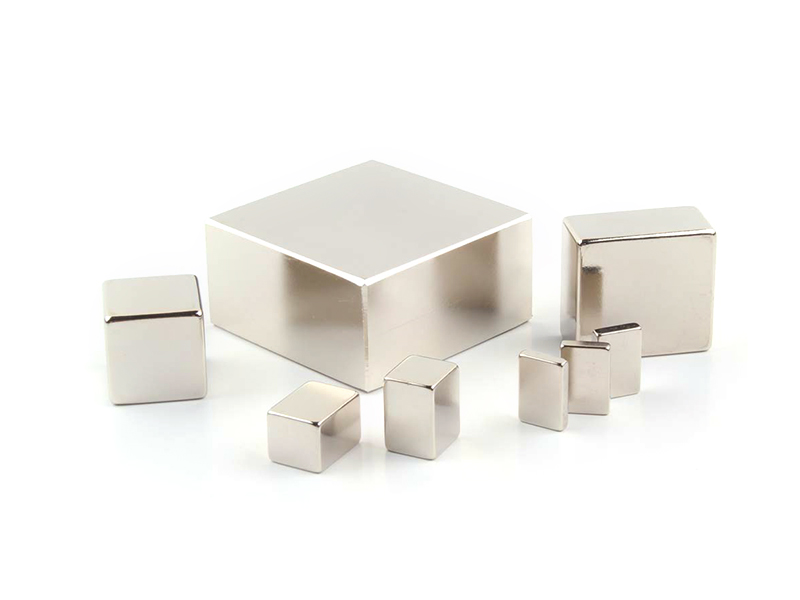
Neodymium magnets are known for their exceptional strength and cost-effectiveness. However, challenges like corrosion and temperature stability persist. Alternatives such as samarium iron nitride and manganese-based alloys are being explored, but they face industrialization hurdles. The future of magnetic materials lies in innovative research and development. Companies like TaiXiong are committed to providing high-quality neodymium magnets, ensuring optimal performance and value for various applications. Their products stand out for their reliability and effectiveness in demanding environments.
A: Neodymium magnets are strong permanent magnets made from a combination of neodymium, iron, and boron. They are widely used in electric motors, generators, and consumer electronics due to their exceptional strength and compact size.
A: Neodymium magnets are cost-effective because their primary components, especially iron, are inexpensive and widely available. Their production efficiency also helps lower overall costs compared to alternatives like samarium cobalt magnets.
A: The advantages of Neodymium magnets include superior magnetic strength, versatility in shapes and sizes, and stability in high-temperature environments, making them ideal for various demanding applications.
A: Yes, alternatives such as samarium iron nitride and manganese-based alloys are being explored. However, Neodymium magnets remain the strongest and most versatile option for high-performance applications.
A: Neodymium magnets are significantly stronger than ferrite magnets, making them suitable for applications requiring high magnetic force in a small space, while ferrite magnets are more cost-effective for low-strength needs.


